How to Choose a Horse Trailer
Size, load style, hitch, construction and budget. A practical guide to choosing the right horse trailer for your horses, your truck and the way you travel.
October 28, 2026 · 7 min read · By the Dailey Trailers team
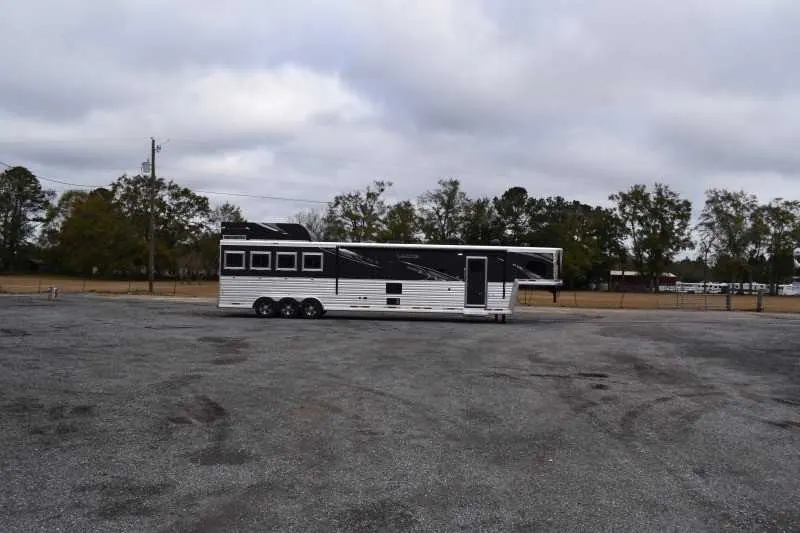
The right horse trailer is the one that fits your horses, your tow vehicle and the way you actually travel. Get those three right and everything else becomes a matter of taste. This guide walks through the decisions in the order we suggest you make them.
1. Start with your horses
Measure your biggest horse at the withers and think about how many horses you haul on a typical weekend, not just the busiest weekend of the year.
- Height: most warmbloods and larger stock horses are more comfortable with a 7’6” interior height. Horses up to about 15.2 hands usually travel well in a 7’ tall trailer.
- Stall length and width: look for stalls of at least 10’ long in a straight load, or a slant stall that is generous at the hip. Big-bodied horses appreciate a 7’ wide trailer over a 6’9” one.
- Number of stalls: a 3 horse trailer is the most popular size for a reason. It gives you room for a friend’s horse, or an empty stall for tack and hay, without stepping up to a heavy rig.
2. Slant, straight or head to head?
Slant load trailers carry horses at an angle, which lets more horses fit in a shorter trailer and gives each horse room to spread its legs for balance. They are the most common layout in the US.
Straight load trailers carry horses facing forward, side by side. Many horses load more easily into a straight stall, and you can reach each horse’s head without unloading the others. They are popular for larger breeds.
Head to head and side load layouts are found in larger gooseneck trailers. They are excellent for long hauls and make it easy to tend to each horse.
3. Bumper pull or gooseneck?
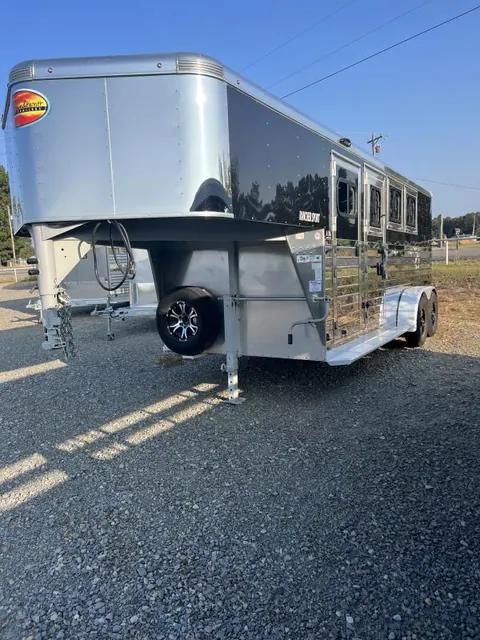
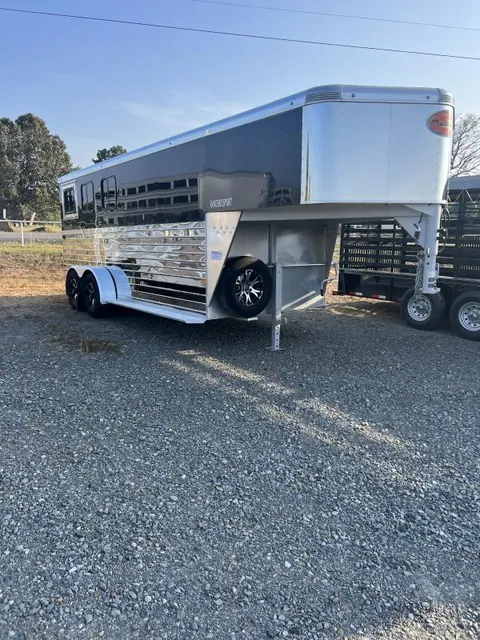
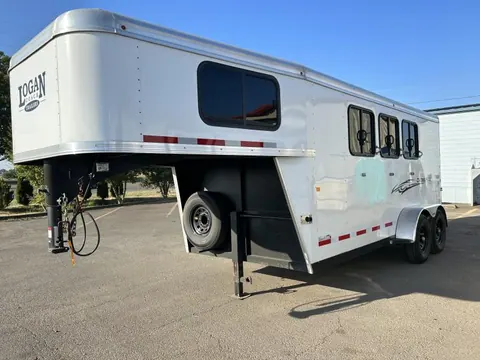
Your hitch decides what you can tow and how the trailer handles. In short: bumper pull trailers suit smaller trucks and one or two horses, while goosenecks are more stable, turn tighter and carry more weight. Read our full gooseneck vs. bumper pull guide for the details.
4. Check your tow vehicle
This is the step people skip, and the one that matters most for safety.
- Find your truck’s towing capacity and payload in the owner’s manual or on the door jamb sticker.
- Find the trailer’s empty weight and add the weight of your horses (often 1,000 to 1,300 lb each), tack, water and hay.
- Keep the total under your truck’s towing capacity, with a margin of at least 15% for hills, wind and braking.
We list empty weight and GVWR on every trailer where the manufacturer provides them. If you are unsure, call us with your truck’s details and we will help you check.
5. Aluminum or steel?
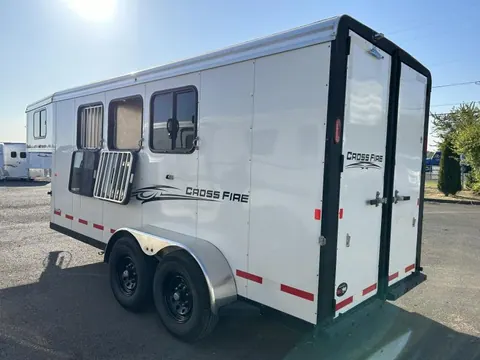
All aluminum trailers are lighter, which means easier towing and better fuel economy, and they do not rust. They cost more new but hold their value well.
Steel trailers are strong and less expensive, but heavier and need more care to keep rust away. Many trailers combine a steel frame with aluminum skin, giving you some of the benefits of both.
6. Dressing room, tack or living quarters?
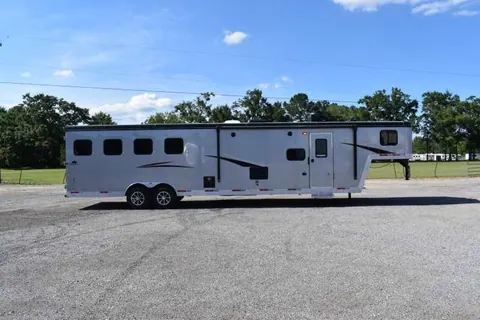
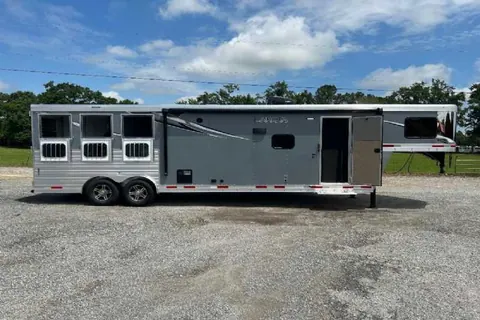
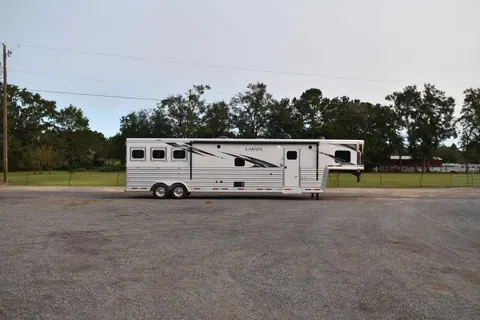
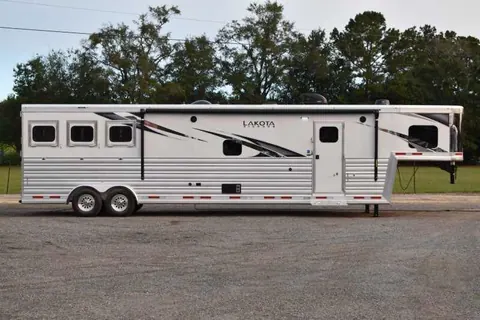
Think about what you do when you arrive. A dressing room or rear tack area is enough for day trips. If you show, trail ride or rodeo over several days, a living quarters trailer turns the trailer into your hotel, with a bed, bathroom and kitchen. See our living quarters buying guide.
7. New or pre-owned?
A new trailer gives you the latest features and a full manufacturer warranty. A good pre-owned trailer can save you a significant amount, especially on aluminum models, which age well. Every pre-owned trailer we sell is fully serviced before it is listed: brakes, bearings, lights and roof seams.
Your checklist
- Interior height and stall size suit your biggest horse
- Number of stalls fits a normal weekend
- Total loaded weight is comfortably within your truck’s capacity
- The hitch matches your truck
- Tack, dressing room or living quarters match how long you stay
- Floor, ramp or step-up, and ventilation suit your horses
Ready to look? Browse our full inventory, filter by size and hitch, and call us if you would like a second opinion.